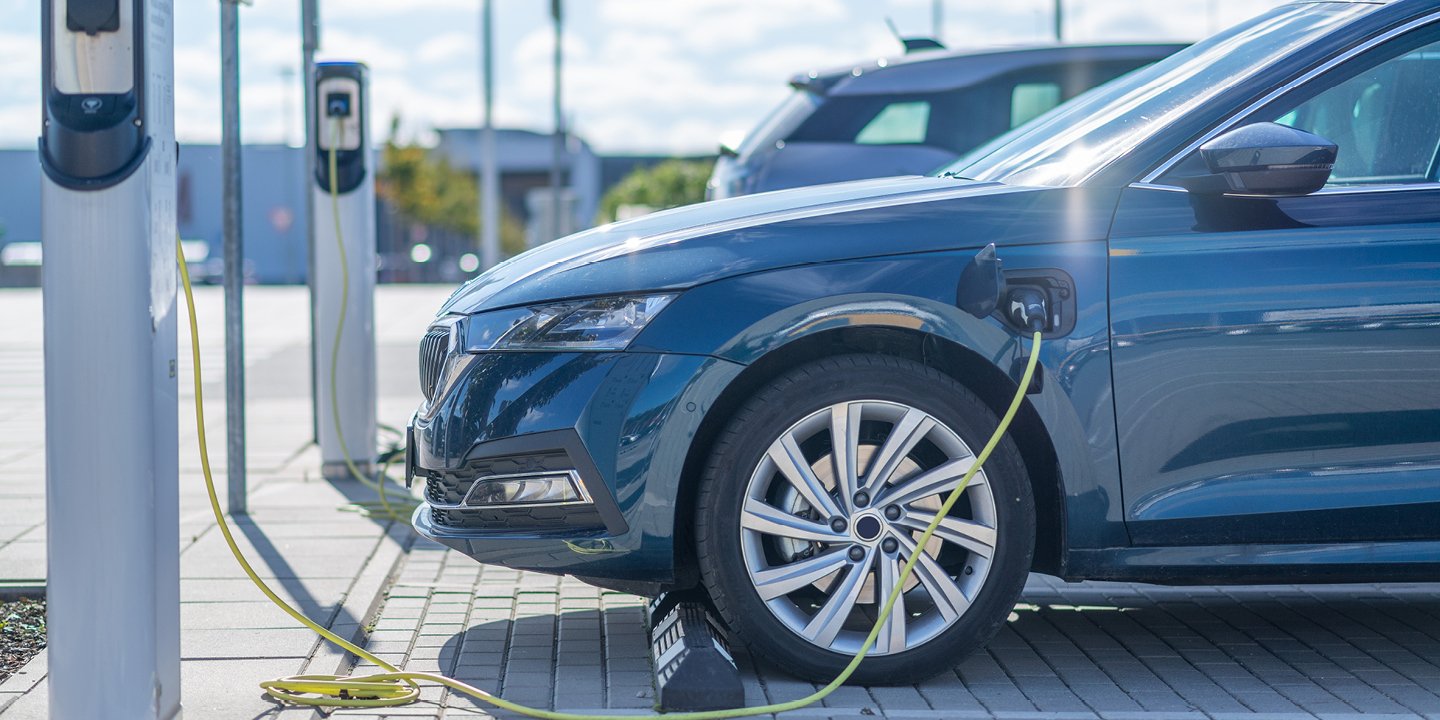
Considerations for EV charging stations at auto dealerships

AutomotiveArticleNovember 9, 2026

Our guidance and checklist detail important factors to consider before adding EV charging stations to your auto dealership.
Share this

The electric vehicle (EV) market, while experiencing some fluctuations, is solidifying its presence and importance in the automotive landscape. S&P Global projects that by 2030, more than 25% of passenger vehicles sold will be an electric vehicle.1 The number of charging points across the U.S. is expected to grow to over 35 million by that year.2 However, this expansion will be gradual, and dealerships – especially those situated far from dedicated charging facilities – could benefit from having a charging station on-site.

Before installing a charging station at your dealership, however, there are a number of factors to take into account.

Readying your facility:

“Quick Charge” stations will require additional high-voltage circuits and equipment. Dealership facilities will need to have the electrical capacity to handle multiple chargers. If you're at the starting point in planning for your own EV infrastructure, there are several important considerations:

  • Where should EV chargers be located in your dealership?
  • Who will perform the installations?
  • What standards will be applied to assure safe installation?
  • Will you provide customer access?
  • How will you manage access after hours?
  • Will a charge be free of cost, or will customers pay for the service?
To help get you started, Zurich Resilience Solutions has developed a general checklist reviewing basic considerations for installing EV charging stations at your facility.


To learn more about Zurich’s products and Risk Engineering services, click here, contact your Zurich representative, or call us at 1-800-840-8842 ext. 7449.


1 “Electric Vehicle Trends: EV Production, Sales & Forecasts.” S&P Global. Accessed 17 January 2025.

2 “The Future of EV Charging in North America: How will we get there?” PwC. Accessed 17 January 2025.


The information in this publication was compiled from sources believed to be reliable for informational purposes only. All sample policies and procedures herein should serve as a guideline, which you can use to create your own policies and procedures. We trust that you will customize those samples to reflect your own operations and believe that these samples may serve as a useful platform for risk controls. Any and all information contained herein is not intended as consultation advice (particularly in legal advice). Accordingly, persons receiving advice should consult independent advisors when developing programs and policies. We do not guarantee the information or any results and further assume no liability in connection with this publication and sample policies and procedures, including any information, methods or safety suggestions contained herein. We undertake no obligation to publicly update or revise any of this information, whether as a result of new information, future developments, events or circumstances or otherwise. Moreover, Zurich reminds you that there may be important differences between your organization and those referenced in this publication, and the recommendations herein would not be applicable to every organization. The subject matter of this publication is not intended to be specific insurance product nor will adopting these policies and procedures ensure coverage under any insurance policy.