
Workers’ Compensation Insurance
Why choose Zurich for workers’ compensation insurance?
When it comes to safeguarding your workforce, Zurich stands out with its dependable and responsive workers' compensation solutions. With a reputation for comprehensive coverage and dedicated claims support, Zurich helps businesses prioritize employee well-being while managing occupational risks efficiently. Our commitment includes proactive risk management guidance, fast claims resolution, and nationwide expertise, making Zurich a trusted partner for your workers' compensation needs.
Benefits of Workers' Compensation Insurance for Employers
Investing in workers' compensation insurance brings a host of advantages:
- Legal Compliance: Meets state mandates, keeping your business in good standing and avoiding costly penalties or sanctions for non-compliance.
- Financial Protection: Reduces the risk of out-of-pocket expenses and legal fees that can arise if an injured employee initiates legal action for an uncovered workplace accident.
- Employee Morale: Shows employees that their well-being is a top priority, enhancing overall satisfaction and engagement in the workplace.
- Risk Management: Supports the development and enforcement of workplace safety programs, which can help prevent accidents and potentially lower your insurance premiums over time.
Offering robust coverage also contributes to your company’s reputation as a trustworthy and responsible employer, which can help attract and retain top talent.
Insurance solutions for workers’ compensation



You want employees who are hurt on the job to get the care they need. You also want to keep medical-related costs under control and stay on target for return-to-work goals. We have specialists and programs in place to help meet all these needs. With customer-focused services like Workplace Injury Triage and Narcotic Evaluation, we work with you to ensure the right treatment and accurate billing.

This option enables you to manage your cash flow while minimizing the uncertainty often associated with annual workers’ compensation premiums.

Properly planned and executed casualty risk management can help limit potential impacts, losses and third-party actions related to those risks. Zurich Resilience Solutions’ Casualty professionals work with your business to stay on top of potential liability exposures.

As a trusted collaborator to over 95% of U.S. Fortune 500 construction companies1, Zurich delivers reliable, industry-focused workers’ compensation solutions. We help you optimize costs, reinvest in operations, and minimize downtime and administrative burdens.
In the past 20 years, Zurich has managed 5,200 claims totaling $11.3 billion—showcasing our integrity and trusted expertise in delivering fair, ethical outcomes for the construction industry. In addition, Zurich has retained 98% of our managed customers for over 10 years—a testament to the trust and lasting relationships we build at Zurich.
Experience where it counts: With 25 years of wrap-up experience, our claims executives support construction industry clients—making up 75% of the accounts we manage.
Timely service: Our Workers' Compensation team ranks 14 points above the industry average in customer satisfaction —a testament to our responsiveness and clear communication.
Expert risk insight: 90+ construction risk engineers with 25+ years’ experience to deliver proven solutions for your needs.
Transparent process: We track every step and keep you informed, so you’re always in the loop.
Learn more
As a trusted collaborator to over 95% of U.S. Fortune 500 manufacturing companies1, Zurich delivers reliable, industry-focused workers’ compensation solutions. We help you optimize costs, reinvest in operations, and minimize downtime and administrative burdens.
Experienced team: Our Workers’ Compensation team averages 29 years of manufacturing experience, with 15 years’ experience at Zurich, ensuring reliable.
Timely service: Our 91% TNPS in Manufacturing Workers’ Comp4 shows we’re responsive, easy to work with, and clear in communication.
Transparent process: We track every step and keep you informed, so you’re always in the loop.
Navigating state-specific workers' compensation regulations
For businesses that operate across state lines, managing workers' compensation can present distinct challenges. Regulations are determined at the state level, leading to a complex web of requirements regarding coverage limits, benefits, and administration. Some states, known as monopolistic states, require that workers' compensation insurance be purchased exclusively from a state-operated fund.
Understanding these jurisdictional distinctions is fundamental to maintaining compliance and providing for your employees. Zurich can help you navigate this complex environment. We have extensive experience in all non-monopolistic states and can help facilitate coverage in monopolistic states through our network of providers. Our teams possess deep knowledge of state-specific laws, helping your business develop a workers' compensation program that addresses your obligations, no matter where you operate. We work with you to align your insurance program with the nuances of each state's regulatory framework, helping you build confidence in your compliance strategy.
Proactive strategies for a safer, more cost-effective workplace
An effective workers' compensation program extends beyond fulfilling statutory requirements; it involves creating a culture of safety that can lead to fewer incidents and, in turn, help manage insurance costs. Businesses can take confident action to influence their risk profile through dedicated loss prevention and safety initiatives. Implementing tailored workplace safety programs and return-to-work strategies are key components of a proactive approach.
Zurich's Risk Engineering specialists collaborate with you to identify potential workplace hazards and provide recommendations for enhancing your safety protocols. By analyzing claims data and industry trends, we provide actionable insights designed to help you strengthen your risk management framework. These efforts can help reduce the frequency and severity of workplace injuries, supporting not only your employees' well-being but also your company's financial health. Taking these steps today can help you build a more resilient and brighter future for your business and your team.
Streamlining claims with digital tools
A smooth and transparent claims process is essential for both employers and their employees. Zurich leverages digital tools and platforms to make the administration of workers' compensation claims more efficient and accessible. Our online portals provide a centralized location for reporting incidents, tracking claim statuses, and accessing important documentation, which simplifies the process for your administrative teams.
This technological integration allows for timely communication and information sharing between your business, Zurich's claims professionals, and the care providers for your injured employee. By streamlining these interactions, we help reduce the administrative burden on your staff, allowing them to focus on their core responsibilities. We work with you to ensure your team is comfortable with these digital tools, providing the support needed to make the claims experience as straightforward as possible. This collaborative approach helps facilitate a more organized and responsive process for all involved.
Workers’ Compensation Case Studies

Guaranteed Cost Workers’ Compensation
Simple and Predictable for a Retail Business
A regional retail chain with 50 employees chose Zurich’s guaranteed cost workers’ compensation insurance for its fixed premium. This gave them predictable costs, making it easier to plan their budget and focus on their business, while knowing their staff were protected and all legal requirements were met.

Large Deductible Workers’ Compensation
Cost Savings for a Manufacturer
A mid-sized manufacturer with a strong safety record chose Zurich’s large deductible workers’ compensation policy. They paid lower premiums by covering smaller claims themselves and used those savings to improve workplace safety. Zurich handled bigger claims, giving the company both flexibility and strong employee protection.

Self-Insured Retention
Flexibility for a Logistics Company
A national logistics company with thousands of employees used Zurich’s self-insured retention workers’ compensation solution. Their own team managed most claims, while Zurich covered the large, unexpected ones. This gave the company more control over costs and claims, while ensuring employees stayed protected.

Risk Engineering
Through Zurich Resilience Solutions, we provide specialized insights and tools to support our customers with solutions addressing traditional and evolving risks – above and beyond insurance.

Claims Services
Zurich Claims specialists are strategically deployed in the U.S. and around the globe to help customers mitigate and respond to loss events, and to gain insights into becoming more resilient against future losses.
Learn moreFAQs
The requirement for workers' compensation insurance extends to most businesses that employ staff, regardless of size. This includes small businesses, medium-sized enterprises, and large corporations. In many jurisdictions, failing to secure adequate coverage can result in substantial penalties or even legal action against the business owner. Additionally, some independent contractors and self-employed professionals may choose to purchase this insurance to protect themselves against unanticipated medical expenses or income loss following a workplace accident.
Requirements for workers' compensation insurance vary by state and industry, so it is important for every business owner to understand their specific obligations and secure the necessary coverage.
Workers’ Compensation Insurance is purchased by the employer at no cost to the employee. Should an employee become injured or ill as a result of their employment, Workers’ Compensation coverage would provide benefits for their medical treatment and associated expenses, indemnity benefits for lost wages, and death benefits should the injury or illness prove fatal. Coverage and benefit levels are determined by each individual state’s Workers’ Compensation statutes and may vary from one state to the other.
In nearly all jurisdictions, employers who carry Workers’ Compensation coverage are also protected from civil action through what is known as “exclusive remedy,” where employees are prohibited from suing their employer if receiving Workers’ Compensation benefits.
When an employee is injured or develops a workplace-related illness, workers' compensation insurance provides a structure for addressing the incident promptly and efficiently. The process typically unfolds as follows:
- Reporting the Injury: The employee promptly informs their supervisor or employer about the injury or illness, ensuring timely documentation and response.
- Filing a Claim: The employer submits a claim to the insurance provider, detailing the circumstances and nature of the incident.
- Medical Evaluation: The employee is referred to a medical professional for assessment and treatment. This step determines the severity of the condition and the necessary care.
- Claim Approval: The insurance carrier reviews the submitted information, investigates the claim, and determines eligibility for benefits. Coverage decisions typically focus on medical expenses and wage replacement.
- Compensation: Once approved, the employee receives financial compensation for eligible medical costs and a percentage of their salary lost during recovery. Ongoing care and rehabilitation may also be included, depending on the injury.
Throughout this process, both the employer and the insurance company may remain involved to ensure the employee receives appropriate care and support until they are able to return to work.
Workers’ Compensation insurance provides benefits to covered employees for injury or illness arising out of, and in the course of, their employment. For coverage to apply, there must be a causal link between the injury or illness and the worker’s employment.
This insurance covers the costs of treating work-related injuries or illnesses, partial income replacement, disability payments, and support for dependents in case of a fatal workplace incident. Coverage ensures that employees and their families are not left handling these expenses alone.
The cost of workers' compensation insurance is determined by several influential factors, making each policy unique to the company it covers. Factors include:
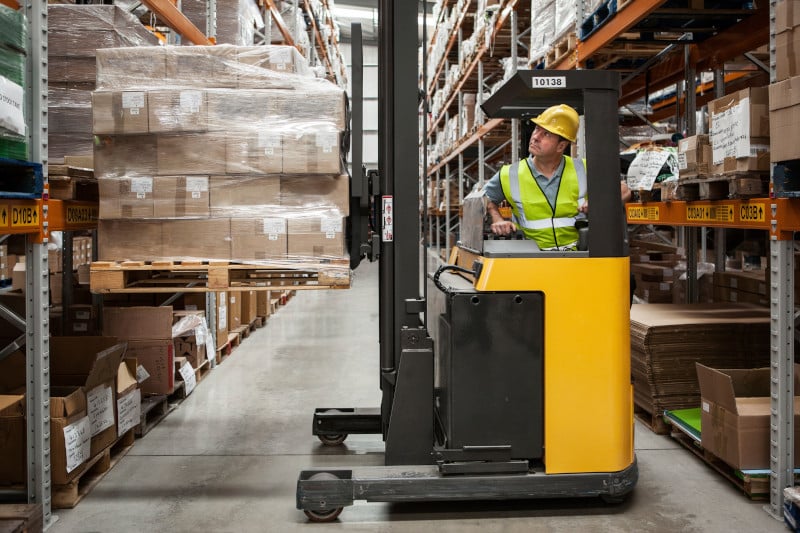
- Industry and Risk Level: Businesses operating in sectors such as construction, manufacturing, and logistics often pay higher premiums because of increased risk for job-related injuries. Conversely, office-based or low-risk industries typically pay less.
- Claims History: A business with a track record of frequent or severe workers' compensation claims may see higher premiums. Conversely, a clean claims record can help lower costs.
- Payroll Size: Premiums are often calculated based on your total payroll. Employing a larger workforce means higher overall coverage requirements and premiums.
- State Regulations: Each state has its own set of requirements, coverage minimums, and rate structures, which can affect the price of a policy significantly.
Other variables, such as the types of jobs within your business, workplace safety measures, and the amount of experience you have in your industry, may also influence premium rates. Many insurers offer quotes based on these details, allowing business owners to compare pricing and coverage options easily.
Related industry and insurance



1. U.S. Department of Labor/Occupational Safety and Health Administration. “Business Case for Safety and Health.” Accessed 23 January 2024./
2. “Workers’ Compensation Laws By State (2024 Guide).” Forbes Advisor. 21 November 2022.