
The human side of data centers
Climate and EnergyPropertyTechnology and AIPodcastJune 17, 2026
Record date: 4/10/26
Air date: 6/17/26
From AI-driven demand to worker safety on the ground, the data center boom is reshaping construction risk in real time.
In this episode of Future of Risk, host Matt Wagner, Head of Construction Property at Zurich U.S., is joined by James Savage, U.S. Head of Construction Casualty and Chris Semlies, Project and Business Resilience Manager at Zurich Resilience Solutions, to explore the human side of data center construction. The discussion examines how labor shortages, compressed timelines and complex project environments are increasing safety risks across job sites. Key topics include video-based safety coaching, onsite medical clinics, worker fatigue and the critical role of safety culture in improving outcomes. The episode also highlights parametric insurance innovations, including heat index and air quality triggers, as tools for managing environmental risk and protecting workers. Ultimately, the conversation underscores that successful data center projects depend on proactive risk management, integrated safety planning and a consistent focus on workforce wellbeing.
In this miniseries, other episodes include:
5/20/26: Billion-dollar questions in the data center buildout
6/3/26: Lessons from data center claims
Guests:
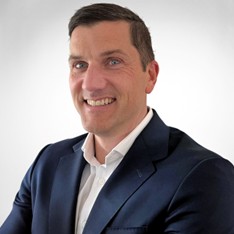 Chris Semlies
Project and Business Resilience Manager
Zurich Resilience Solutions
Connect on LinkedIn
Chris Semlies leads delivery of Zurich’s risk advisory and consulting services. He has twenty-five years of experience building and leading teams in risk management and resilience consulting as well as all phases of capital project development from planning and design through construction, commissioning, and facilities management. Chris is a strategic thinker bringing a sense of urgency, collaboration, and customer service to every engagement.
 James Savage
U.S. Head of Construction Casualty
Zurich U.S.
Connect on LinkedIn
James Savage is the Head of Construction Casualty at Zurich U.S. He is accountable for managing the Construction Casualty portfolio, including developing and executing diverse multidimensional strategies across the portfolio and ensuring that all key performance metrics are achieved. Since joining Zurich in 2014, James held roles as Regional Vice President of Construction Casualty for the South Region and Head of Middle Market Construction and managed the Great Lakes Construction team. Prior to joining Zurich, James worked at National Interstate Insurance in its underwriting and group captives units. James received an MBA from Walsh University and undergraduate degrees from Allegheny College in Economics and History.
Host:
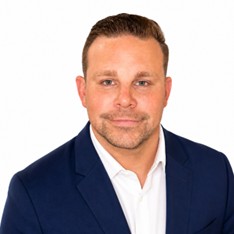 Matt Wagner
Head of Construction Property
Zurich U.S.
Connect on LinkedIn
Matt Wagner is the Head of Construction Property at Zurich U.S., where he leads the Construction Property business with responsibility for underwriting strategy, portfolio & people performance, and the continued advancement of Zurich’s market-leading capabilities.
Prior to this role, Wagner held multiple leadership positions concurrently, serving as Interim Head of Construction Professional Liability, East Region Construction Property Regional Vice President, and E&S Construction Leader. In these roles, he was responsible for delivering profitable underwriting results, managing broker relationships, developing talent, and executing national and regional Construction strategies. He also previously led Construction Business Execution efforts, driving operational and organizational initiatives across the platform. Wagner graduated Magna Cum Laude from the University of St. Thomas with a Bachelor of Arts in Business Leadership and Management.
(PLEASE NOTE: This is an edited podcast transcript, capturing speakers with natural speech patterns that may include incomplete sentences and/or asides, grammatical errors, verbal shorthand and some statements that may be less clear in print.)
EPISODE TRANSCRIPT:
JAMES SAVAGE:
We've heard the old expression that a picture is worth a thousand words. Take it one step further, a video is worth a million words. And I think it's really provided concrete coaching and learning and development for workers on job sites.
MATT WAGNER:
Welcome to Future of Risk presented by Zurich U.S. We explore the changing risk and resilience landscape and share insights on the challenges that face businesses to help you meet tomorrow prepared. This is one of the most important episodes in our data center podcast miniseries. This week we explore the human side of AI data centers and what it looks like to protect people and resources during the super cycle of construction. I'm your host, Matt Wagner, Regional Vice President for Construction Property in the East region, and today I'm speaking with James Savage, U.S. Head of Construction Casualty at Zurich U.S., and Chris Semlies, Project and Business Resilience Manager for Zurich Resilience Solutions. James and Chris, welcome to the podcast.
SAVAGE:
Thanks, Matt. Happy to be here and looking forward to talking about something that we're all very passionate about.
CHRIS SEMLIES:
Same here. Thanks, Matt. This is definitely a topic that comes up a lot these days.
Understanding worker safety risks in large-scale data center construction
WAGNER:
No doubt. I think we just kind of dive right in and get into things. And Chris, I'd love to start with you. When we look at data centers, the projects are big, they're larger than most, but despite that with the size, timelines are getting shorter. Do those two big dynamics mean anything for safety and risk for worker safety on site? What does that look like?
SEMLIES:
Yeah, it’s a great question and really something that I think about a lot. Before I joined Zurich, I worked for a New England-based contractor for most of my career, and I know firsthand the challenges that contractors face every day, even on a typical, traditional job site. But these aren’t typical job sites. We’re seeing multi-billion dollar data center projects and really campuses on a regular basis at Zurich. And the schedules for these are also very aggressive. Speed to market is key for these hyperscaler owners. And as the scale grows and the schedule tightens, risk escalates. Schedule compression, overlapping trades and mobilization of very large crews to complete the volume of work on time. The scale and pace of the work increase execution risk. And we never want to compromise on safety. This isn’t just my belief or my opinion, Zurich lives by this too and it’s one reason why I was drawn to work here.
How workforce shortages are shaping safety and risk in construction
WAGNER:
Yeah, and Chris, when we talk about that — James, I would like you to weigh in here in a second — but when I hear project values increasing, project schedules getting shorter, I think of a lot of things that can go wrong. So I guess, James, turning it over to you, how does this lay in from a casualty perspective? What are you looking at here?
SAVAGE:
It’s a great question, and I really appreciate, you know, Chris’s insight as well, just having that background on the contractor side and living it firsthand. I think that’s something a lot of our risk engineering folks at Zurich bring to the table. And we’ve learned a lot on the underwriting side of what that means. But your question Matt, I think these projects are unique in the size and the scope, but at its core, what we think about when we’re underwriting doesn’t change based on the product. One of the main values and philosophical goals that we have on the underwriting side is to send as many men and women home from the job site at night and ultimately have safety as that core value. And while that’s not unique across different jobs to the points that you made earlier, these projects are larger, more complex.
And what that means, ultimately, are more workers on the site, and that schedule compression requires more work going on at the same time in the same area. So we're very focused on what that means. And I think one really interesting aspect that overlays this is the industry already had a labor shortage heading into this construction boom that the data centers have brought. And this has only magnified the issue and it's particularly sensitive around the skilled trades. And I bring that up because these data center projects require an extensive amount of technical knowledge and skilled trade labor on the job sites. So when you think about it, even heading into this year, I think 92% of construction firms mentioned to the AGC of America that they were having trouble finding talent. And the industry needs over 350,000 new workers alone just to meet the demand. And that's across all trades. Within the data center space, electrical contractors and any MEP contractor, mechanical, plumbing from that regard, is in high demand. And it becomes a huge point of emphasis to find the right talent to build these things safely.
Ways construction firms are improving workforce safety and job site conditions
WAGNER:
I’m digesting just some of the initial feedback from you and Chris. Projects are getting bigger, timelines are getting shorter, construction firms, 92% of them, are having difficulty finding qualified workers just in general outside of just the data center boom that the industry is experiencing. James, what are some of the steps that contractors are taking to help with safety, whether it’s something simple or more advanced?
SAVAGE:
So I think there’s a number of ways that they’re doing it, but the common theme behind it is investment in safety. And that investment looks different in different capacities. So one obvious scenario that folks’ minds jump to is investing in the workers in terms of compensation. And we’ve absolutely seen that the higher the demand for those skilled workers, the wages that they’re earning and that contractors are paying out shows the value and the critical nature of how they’re wanting to attract and keep the top talent in the industry. Additionally, though, it’s been more of a creative lens from an investment and investing in safety. So whether that means bringing technology to the job site that makes job sites safer to other investment that make job sites a better place to work. We’ve heard a number of examples and it can be very little things where contractors are bringing air conditioned restrooms to the job site or more comfortable break rooms. It’s the little things that matter that folks are trying to keep the talent that they’ve brought on board, so that way when the next project comes up, those workers are going to want to continue working for that same firm.
WAGNER:
That makes a lot of sense. Chris, what are you seeing on your end?
SEMLIES:
I think the trend definitely is more attention paid to safety on the part of these owners, right? More than I’m used to seeing from owners in other classes of construction. So some of the things that James was talking about: higher requirements for safety on the job site and higher levels of safety staffing, you know those are some of the things that we’re seeing driven by owners on these projects, as well as the sort of quality of life pieces, right? Just to make the experience of working on these sites more comfortable in terms of better restroom facilities, running water and cooling stations for jobs that are in areas with high heat conditions and things like that. But aside from those things, we are seeing onsite medical clinics on a lot of these projects as well.
And that’s partly driven by the large workforce on these sites, right? We’ve seen these sites with several hundred or more than a thousand workers on a single project site. And also the fact that some of these projects are in very remote areas. So having a registered nurse or a PA or an EMT at the physical site really is important in a lot of cases. Aside from that, on the technology side, I can give you a couple of quick examples. One is the use of fixed point cameras to augment safety programs and human safety oversight. And the other one that we’re seeing a lot of is digital worker badging and tracking systems. So again, with these large workforces on these sites, having the ability to easily manage access control and track where the workers are on site is really important especially for emergency management response and planning.
How fixed cameras are transforming safety in data center construction
WAGNER:
The fixed point cameras certainly raises an eyebrow. I think that that's new. That sounds very innovative for the marketplace in general. Can you explain how those were used, in practice to help support safety?
SEMLIES:
Yeah, essentially think of it as game film for construction. I played high school football — we were not very good — but I remember spending part of practice on Mondays going over film and you can learn a lot. And really, that’s what it is. Using film to coach the workforce on sites like these. So we work with Arrowsight, combining their video capture and review process with coaching by our construction risk engineers to drive safer behavior. We provide timely insights for our customers focusing on positively driving safer behavior, like James said, to ensure workers get home safe at night. That’s the number one goal. And we do this in a non-punitive way. We’re trying to positively drive safer behavior across the site and we’ve had a lot of success with this approach, with documented reductions in frequency and severity of claims. And I think it lends itself really well, especially in the data center space, because you have a lot of activity on these sites, but also a lot of big open spaces. A lot of these sites are literal campuses with multiple buildings. Some of them have onsite power plants even. So having cameras really is a good tool and leverage for the safety teams on these sites to monitor the work on site.
WAGNER:
Yeah, I'm sure that there’s. Go ahead. Yeah, please.
SAVAGE:
Yeah, Matt, if I could jump in there. So, I’ve had the unique opportunity to be on job sites and be a part of some of these feedback and coaching sessions and it really speaks to the power of this technology. One, the construction industry is a multilingual industry and oftentimes things get lost in translation. Video doesn’t get lost in translation. And I think that’s something that has really been a big takeaway for me sitting in those rooms and watching the coaching session occur. The other big part that I’ve heard people describe, and I think it’s true, is we’ve heard the old expression that a picture is worth a thousand words. Take it one step further, a video is worth a million words. And I think it’s really provided concrete coaching and learning and development for workers on job sites.
WAGNER:
That’s really impressive, just across the board. And I’m sure that when you’re playing that highlight reel of the day, or the ability to show somebody and coach them through the mechanics of something, that helps things become extremely tangible for anybody that that’s watching it.
SEMLIES:
That’s a great way to put it, Matt. And, you know, I take it a step further, right? Construction is a tough environment because work conditions change. Every project is a little bit different, has its own idiosyncrasies. And having video of that site, showing those exact working conditions, just makes it so much more applicable, so much more relevant in coaching these crews versus kind of generic training. They’ve all been through generic training around fall protection and things like that, but using video from their site with the people that they work with is just so much more effective.
SAVAGE:
I would also add, I think some of the conversations and video clips that have yielded the most positive outcomes have not been examples of poor worker behavior but actually examples of workers doing the right thing to create a safe environment. And that mindset and attention to detail on safety really becomes infectious and something that other workers then learn from. So it’s the carrot and the stick, if that makes sense.
Addressing worker fatigue and safety in fast-paced data center projects
WAGNER:
It does. And what I’m hearing from both of you is that this technology, it’s relatively new in terms of utilizing the highlight reel for safety and to coach people, but cameras and recording have been around for quite a long time. So it’s an adoption process to get it kind of communicated and get people up to speed with the benefits of it. I think that actually transitions nicely into something that I was also thinking about regarding adoption, particularly with AI and just how rapid things are. It’s fueling the demand for data centers. There’s lots of schedule pressures, as a lot of people have talked about, the news talks about, for workers just on a human level, long hours seem very common. How are teams in the field supporting worker wellbeing with this being the case?
SEMLIES:
Yeah, it’s a great point. I mentioned earlier onsite clinics. I think that’s a really important measure. Along those lines, having care providers on the site, readily accessible, and really being proactive in supporting the workforce. The focus is really on injury prevention, not just triage for an incident when an incident happens, but really trying to be proactive, engaging with the workforce to prevent injury. Looking at things like ergonomics, right? So watching the electricians as they’re pulling cable and looking at their body mechanics as they do that work and coaching them, you know, hand-to-hand, really face-to-face coaching them on how to move better to prevent injury. That’s one thing, we see it in our claims data all the time. Strains and sprains are a leading cause of claims. And taking these steps to prevent those minor strains from becoming lost time injuries is a great step. And a lot of the onsite medical providers, they also integrate mental health support into their offering. So typically, their providers will be mental health first aid trained or they can also augment the providers on site with mental health counselors and such, which we’ve seen that being implemented as well.
SAVAGE:
I would also add Chris highlighted a number of the onsite benefits that contractors are bringing to the table to make the work environment better. Your comment about the hours being worked, I think is also something that many contractors are being mindful of. So we touched on, a little bit, the labor shortage. And when you think about that, each job contractors are having to recruit for their next job with how they’re treating their folks on that current job. So they’re very cognizant of the hours being worked and not over-indexing on that so that the highly skilled workers that they are trying to continue to recruit have the work life balance that will want them to continue working on future projects.
How parametric solutions are transforming worker protection on job sites
WAGNER:
Yeah, it sounds like just from the way that support is kind of garnered at these project sites by owners and contractors jointly, they’re trying to support their crews to the best of their ability. Just like any organization from a sustainability perspective, you want your people to be in an environment where they feel like they can bring their best self. And whether that’s maybe a physical constraint to some of the things that Chris was talking about or James, just from like a work conditions perspective, it’s what makes some of those things palatable and what makes people want to kind of comeback time and again. I’d like to shift gears for one moment, though, to maybe something that’s a little bit more innovative. It kind of trails off of tech with fixed point cameras, but I noticed that parametric coverage is a huge offering that’s been directly included within our data center project guard solution at Zurich. How do parametrics potentially come into play with worker protection on the human side?
SAVAGE:
Matt, that’s a great question. And I think traditionally, we often think about whether parametric being more of a property cover as opposed to the human element cover. We’re really excited that two new perils have actually been added to our parametric product, and that being heat index and air quality index. So those are two perils that are directly tied to worker safety in the work environment. You know, we all know how critical the weather, the heat and the air quality is for worker productivity and worker safety. So incentivizing contractors to maintain safe work environments and not have folks work above certain heat indexes or when the air quality exceeds a certain amount is extremely important. And we also see that on the loss side, we all know that workers are more likely to get hurt when they’re tired, when they’re overheated or if the air quality isn’t as strong as they would anticipate. So it really does ultimately lower the total cost of risk.
Top safety risks facing data center construction projects today
WAGNER:
To your point James, if you think about the property side of parametric insurance so frequently, but it’s almost like with the inclusion of both of those perils, it’s almost like a worker protection peril at the same time, which is just as valuable and a benefit to the contractor. But let’s take maybe a little bit more of a macro view of risk on some of these project sites. What safety risks specifically and consistently demand the most attention for data centers?
SAVAGE:
So, I think one was actually a common theme we’ve been talking about, being the labor shortage and what that means from new workers coming to job sites and having that inexperience. So when we look at our own loss history, a significant portion of workers’ comp losses actually happen to folks on their first year on the job. So making sure that the folks are adequately trained, they understand the risks that are present at the job site, I think is something that safety professionals are extremely mindful of because they want to avoid the traps that inexperience may bring. As the labor shortage continues to magnify, I think this risk will become more and more of a focal point and something that safety professionals are not only going to focus on the training, but then also what that means from a fatigue standpoint, from workers who maybe aren’t used to working those hours with the physical demands that this job brings.
WAGNER:
Chris, from your perspective?
SEMLIES:
It’s a great question. One of the things we haven’t talked about yet are electrical hazards. This is a big issue on data center sites, especially during the commissioning phase. We’ve actually worked, back to the discussion about Arrowsight, we’ve actually worked with Arrowsight over the past year to develop a customized approach to using their tech and our methods around coaching and using video in the energization and lockout tagout work activities on these data center projects. This is high risk work and especially important on data centers with their extensive electrical infrastructure. But in general, aside from that specific risk, I think best practices for safety, again, in general, in terms of fall protection, heavy equipment, cranes, all of those things, are the same best practices that you would employ on other types of projects. Again, it’s just even more important given the volume and pace of the work on these jobs.
Strong safety planning drives successful data center projects
WAGNER:
I appreciate both of those perspectives. To add a final question here, James, for you and Chris for you as well, if listeners remember one thing from this episode, what would that one thing be?
SAVAGE:
Wow, Matt, that’s a great question. We’ve talked so much in this time about how data centers are unique, but I would say that, again, worker safety is not unique to just data centers, but how people focus on the unique aspects of worker safety at a data center is slightly different. So I think the fundamental investment and values and safety and worker protection can’t change just because it’s a data center. But how that gets delivered has to be slightly different. The only other thing that I would just say is that it’s going to become a bigger and bigger factor into project success in that treatment of workers and the labor shortage that’s already present is going to be something that future success is predicated on how contractors are treating their workers on current projects.
WAGNER:
Chris, from your perspective.
SEMLIES:
In my experience, projects are successful if they’re set up really, really well, right? It takes a lot of due diligence and proactive planning, and that’s how I look at it in terms of data centers. Really integrating safety into the project approach, the site logistics planning, the scheduling, the worker facilities, site office facilities, all of these things play into safe outcomes during the project itself. And having that consistent daily focus on safe work practices. You know, there’s a lot at stake here. There’s a lot going on on these sites and you really just can’t slip on this at all. And managed well, these projects can perform very successfully. I’ve been on these data center campuses and it’s really impressive when you go to one of these sites and it’s just run like a Swiss watch. Really, really organized, really safe, very clear pathways for machinery, equipment and trucks and pedestrians and everything just really well planned out, well thought out. And you can see the impact of that in the culture of safety on the job site. So, you know, that’s probably not one thing, but I think the idea there is just to integrate safety into every aspect of planning and really build that safe culture at the job site level.
WAGNER:
Sounds like solid planning, strong organization and taking care of your people are kind of at the focal point of everything that you guys just mentioned. James and Chris, really appreciate your insights and thank you both for joining us today.
SEMLIES:
Thank you.
SAVAGE:
Thanks Matt. Yeah. Had a lot of fun.
WAGNER:
And thank you for listening. Stay tuned for our next episode where we'll go behind the scenes on the job site through the eyes and minds of our risk engineers. If you like the show, leave a comment or review wherever you get your favorite podcast, or drop us a note at media@zurichna.com. This has been Future of Risk presented by Zurich U.S.