Data centers through the eyes of risk engineers
Climate and EnergyPropertyTechnology and AINatural HazardsConvective stormPodcastJuly 1, 2026
Record date: 5/21/26
Air date: 7/1/26
Step inside the fast-moving world of data center construction and operations in this episode of Future of Risk, hosted by Matt Wagner, Head of Construction Property at Zurich U.S., joined by Bill Ingram, VP of Technical Operations, and Joseph McManigal, Senior Risk Engineer, South, both with Zurich Resilience Solutions. The conversation offers a firsthand look at how risk engineers approach some of today’s most complex, high stakes builds. From the moment they arrive on site to the final stages of commissioning, Bill and Joseph share the details that can determine project success—highlighting how coordination, early planning and disciplined execution can make or break a project. The takeaway is clear: build it right, respond quickly to issues, and plan for the long term, because in data centers, every decision can have a lasting impact.
In this miniseries, other episodes include:
5/20/26: Billion-dollar questions in the data center buildout
6/3/26: Lessons from data center claims
6/17/26: Human side of data centers
Guests:
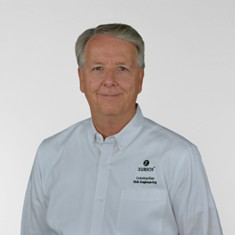 Bill Ingram
VP of Technical Operations
Zurich Resilience Solutions
Connect on LinkedIn
Bill Ingram is a VP of Technical Operations with deep expertise in risk engineering and insurance analytics. He specializes in large-loss event analysis, extreme weather risk, and technical underwriting support. Known for his detail-oriented approach, he produces executive-ready insights and client-facing deliverables aligned to Zurich standards. He plays a key role in translating complex data into actionable strategies for operational and risk management decisions.
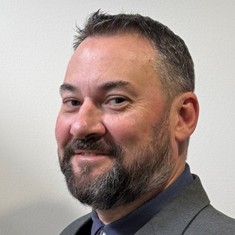 Joseph McManigal
Senior Risk Engineer, South
Zurich Resilience Solutions
Connect on LinkedIn
Joseph McManigal, CSP, CRIS, CESCP, CIT, is a Senior Construction Risk Engineering Consultant with Zurich Resilience Solutions and a Team Leader for Zurich’s Center of Excellence (COE) Data Center Team. He specializes in electrical safety and large-scale construction risks, bringing deep expertise in NFPA 70E and complex power systems to support customers focused on mission-critical projects. A former journeyman electrician, Joseph combines real-world field experience with technical risk management to help clients mitigate electrical hazards and improve operational reliability. He is the author of the IEEE paper “Special Treatment – Temporary Power in Construction,” which earned an Honorable Mention Prize Paper Award at the 2025 IEEE IAS Electrical Safety Workshop for advancing electrical safety practices in construction.
Host:
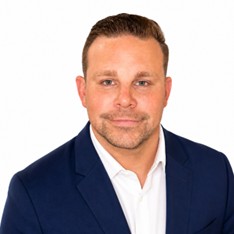 Matt Wagner
Head of Construction Property
Zurich U.S.
Connect on LinkedIn
Matt Wagner is the Head of Construction Property at Zurich U.S., where he is responsible for underwriting strategy, portfolio and people performance, and the continued advancement of Zurich’s market-leading capabilities.
Prior to this role, Wagner held multiple leadership positions concurrently, serving as Interim Head of Construction Professional Liability, East Region Construction Property Regional Vice President and E&S Construction Leader. In these roles, he was responsible for delivering profitable underwriting results, managing broker relationships, developing talent, and executing national and regional Construction strategies. He also previously led Construction Business Execution efforts, driving operational and organizational initiatives across the platform. Wagner graduated Magna Cum Laude from the University of St. Thomas with a Bachelor of Arts in Business Leadership and Management.
(PLEASE NOTE: This is an edited podcast transcript, capturing speakers with natural speech patterns that may include incomplete sentences and/or asides, grammatical errors, verbal shorthand and some statements that may be less clear in print.)
JOE MCMANIGAL:
Unpopular opinion, but one I really believe in and it’s kind of my soapbox, if you will, and that is: Take the time and spend the money and do an arc flash study on the temporary power system. Because if nobody has really evaluated what that arc flash risk is for the temporary systems, you’re asking people to work around hazards that you don’t fully understand.
MATT WAGNER:
Welcome to Future of Risk presented by Zurich U.S. We explore the changing risk and resilience landscape and share insights on the challenges that face businesses to help you meet tomorrow prepared. In this episode, we're sort of traveling vicariously to a collection of data center job sites and looking at them through the eyes of two specialist risk engineers who have completely different lenses, construction and operations.
I'm your host, Matt Wagner, Head of Construction Property, and today I'm speaking with Joseph McManigal, Senior Risk Engineer from construction South, and a team lead for the data center risk advisory team. And Bill Ingram, who leads the Technical Risk Engineering team. Both are with Zurich Resilience Solutions. Joe, ill, thanks for joining us.
MCMANIGAL:
Pleasure to be here.
BILL INGRAM:
Happy to be here.
How Risk Engineers assess safety on data center construction sites
WAGNER:
Both of you gentlemen know that data centers are large builds, they're mega builds. And I'm curious, I really want to dial into the perspective for risk engineers. When you drive onto a data center build, is what you're looking at any different from a large scale mega project? And more specifically, what are some of those nuances? So before you even get out to site, before you even get out of the car, what do you notice? What do you get a sense of in terms of how risks are managed? Joe, maybe we could start with you.
MCMANIGAL:
That's a great question. And you know, honestly, the fundamentals are the same. It's still a construction site, so you're still looking at protection of people, equipment, control of hazardous energy, and looking at schedule demands and pressures. But on a data center, the first impressions can tell you really fast whether the job is being run with intention, right? So before I even get out of the car, I'm looking for three big things. First, security, not because I necessarily expect like Fort Knox, but because I'm looking at how easy it is for someone to access the site, which tells you a lot about the culture and how controlled the environment is. Second, I'm looking at traffic flow and parking. On these big builds, you've got deliveries, cranes, lift equipment, and hundreds, sometimes thousands of workers moving around all day. If the routes are well thought out, clearly defined, and the parking is organized, especially if it's paved, that sets expectations for the whole entire project.
And practically that helps keep dust down also, which matters more than people realize. Lastly, I'm looking at walk paths and signage. I'm asking, do pedestrians have designated walk paths that keep them out of traffic patterns? Is there visible signage telling people where to go? What kind of personal protective equipment is required? Where do visitors go to check in? I'm looking for all of those things. And if those basics are dialed in, it's usually a signal that the project's managing risk proactively, not reactively. And to me, that's why those windshield observations matter, because it really does set the tone for the whole visit before you ever step foot on the job.
WAGNER:
Joe, it's really good context because sometimes those basics that we sometimes take for granted are absolutely critical and they go a long way with the overall risk management. Bill, shifting to you for a second. You have a very unique lens. First of all, it's a broad one. Not to put a number on it, but I think you've been doing it for just about or over 25 years. So you've seen a lot of different risks. You've seen a lot of different project sites and now you manage a team of risk engineers across property, machinery breakdown, fire and construction. But I also know that you like to get out and visit these sites and walk around and see and feel and hear firsthand what's going on. So just from your perspective as well, same question, but what is different? What jumps out at you first when you get out there?
INGRAM:
You zoom out before you zoom in. And so the first thing I look at is what's surrounding the site. How is power coming in, overhead or underground? Are there step-down units? I also look for buildings and such that are nearby and also look for trees, forestation, even look if there's nearby airports. You just want to identify various operations that may or may not impact the site itself. And then the next look goes right into the topography. And so we think a lot about the operations themselves within the buildings. But we want to look at the outside. So how is water handled? And we see lots of heavy rainstorms now as the extreme weather environment is changing. So I'm looking at how they manage water or other conditions. And then the last thing I look at for that first entrance is what is the building shell that they're operating within? Again, that's based on the conditions they're likely to face. So again, I live in Texas, and so you're going to see high winds and we certainly are victims of some significant hailstorms. So you're going to look at the building and its basic ability to withstand the environment and protect the operations within.
Key risks that can impact data center operations
WAGNER:
Appreciate the context. And you know, throughout a lot of discussion that we've had with various stakeholders that have been part of the podcast, we've talked about the velocity, the speed at which these projects are moving — both size, scale and dollar figures. Everything is fast from construction to operation. And as we all know, they have very low tolerance for delays during construction and very little tolerance for any downtime once operation kicks into gear. So it's critical that the business interruption component is identified quickly. I'm just curious from both of your perspectives, are there any small details with site conditions that can almost quietly plant the seeds for interruptions that can turn into major issues or losses down the road?
MCMANIGAL:
With my background in electrical, I'm going to have to go electrical here. One of the things I've learned is that the issues that cause the biggest headaches usually start small, and electrical can be one of those. Temporary power often gets overlooked and underestimated. It gets installed early; it evolves constantly. And if the planning doesn't keep up with it, it can get you into trouble real fast. You end up with inadequate lighting in areas, overloaded circuits, construction delays, and morale can even come down because then you start getting a whole lot of finger pointing. The drywall and installers are blaming the plumber for not being finished. The plumber is blaming the general contractor for not having the area ready, the general is blaming the electrician because they don't have lights up for people to work. It gets bad real fast, right?
Um, and then if you don't keep up with the red lines for the underground installations and things of that nature, then you really amplify the possibility and the potential for a future utility strike. Because you're going to be digging in the ground again eventually. And then the unpopular opinion, but one I really believe in and it's kind of my soapbox, if you will, and that is: Take the time and spend the money and do an arc flash study on the temporary power system. Because if nobody has really evaluated what that arc flash risk is for the temporary systems, you're asking people to work around hazards that you don't fully understand. And they're interacting with that system from day one until almost day end, right? So that's my take. Of course I'm going to favor electrical, that's where my background is, but Bill, I'm interested to see what you have to say.
INGRAM:
Coming from a fire protection background, I'm going to be on the opposite side of that conversation. And so one of the things we see very commonly is that the speed at which they're building, that we literally see data centers or data centers begin operations in part of the building while the remainder is still under construction. And so we pay a lot of attention to hot work and any kind of small welding. And we've had recent experience where a very small welding fire occurred. We were able to put it out with a fire extinguisher, yet the loss was significant, in millions of dollars, primarily because the fire itself was very minor, but the smoke got into the HVAC system or into the various ductwork of the building and when it did, it was able to get into the server area. And once you introduce contaminants into that space, the general rule of thumb is you're going to replace all of those devices and basically have to reinstall that area. So, there's a lot of attention paid to managing any welding or hot work activities, because even a small fire can be a $10 million plus event in terms of damage to very sensitive equipment.
Reducing power risk in data center operations
WAGNER:
Yeah, both of those are incredible perspectives, and Joe, we've seen examples of arcing events on the liability side, and it's nothing to mess with. And then Bill, from your perspective, the dust accumulation, that fire exposure, the sensitivity of some of the rooms inside of the data center halls and then the equipment itself, it's very susceptible to combustibility. So both points are duly noted. Joe, you touched on just electrical power, power consumption. It's been part of our ongoing conversation around data centers. Bill, maybe we'll kick this off with you, but what concerns you the most when it comes to power reliability and the operational phase for these DCs?
INGRAM:
There’s a couple things. First is, you know, the power being drawn is significant, so there’s generally step-down units, substations, and as Joe sort of alluded to earlier, you want to make sure those areas are protected from contact with vehicles, from persons gaining access. And as those units, as that power is continually transferred over into buildings, we would prefer that it would be run underground so it can’t be struck. Anywhere there’s any above-ground equipment, you’d like it separated from contact with any kind of vehicles, limited people access, so that, again, it’s consistent. Obviously we’re looking for backup systems, and again, how those are arranged and organized are very important. We do see lithium ion; we do see very large electrical backup electrical systems. So again, how they’re arranged and maintained are pretty critical.
And then an item that can often be overlooked is we look for consistent voltage. How are they managing that? So we all understand over voltage or surge, but as we've seen, when power supplies can be heavily drawn on, especially in the summertime, an under voltage can be a very significant event because when that occurs, then equipment is drawing excess amps and it can cause, over time, you can get equipment failures and such. And we experienced that here one year in the winter when we had a Texas power grid failure due to inclement weather. And so we had under voltage events and we saw various electrical pieces of equipment start to fail either soon after the event ended or over a period of time. And then something that we sort of see and Joseph would talk about when commissioning, but on the backside, continual maintenance and testing of electrical systems is vital because without that power, everything comes to a stop. So ongoing maintenance and commissioning is very critical to maintain operations.
WAGNER:
Joe, how about from your lens?
MCMANIGAL:
Yeah, and this is where Bill and I tend to see the same system but look at it from two very different angles. Because from an operational standpoint, like Bill said, redundancy, reliability, they're absolutely critical, right? But during construction, those same things actually introduce great risk if they're not managed carefully. On a data center project, you're often dealing with multiple power sources, backup systems, overlapping contractors and that's where it all starts to get complicated. You've got different electrical teams working on different parts of the systems, sometimes with slightly different safe work practices or even levels of understanding and not everyone fully understands how that entire system interacts. That creates real challenges when you're talking about lockout tagout. And I'm going to go ahead and explain what that is. I'm assuming if you're listening to this podcast, you probably know what lockout tagout is, but just on the off chance that you don't know what lockout tagout is, basically it's the principal control for the unintentional release of hazardous energy, whether that be electrical, mechanical, hydraulic, whatever.
It’s a device that prevents operation of a mechanism that could release hazardous energy and cause harm to either person or equipment, right? So if you’re installing a ceiling fan in your house and you turn off the circuit breaker at the panel that powers the fan, you do that, you leave it off so that you don’t get shocked while you’re working on it. Take that a step further, place a device and a lock on that breaker so that nobody else can operate it either while you’re working with it. That’s lockout tagout. All right. In a nutshell, so what should be a very controlled, straightforward safety process becomes much harder when you have multiple crews, multiple sources, portions of the system being energized while other areas are still under construction. And then, the part that really keeps me focused is that first energization during commissioning. That’s the moment where everything comes together for the first time. If there’s any gaps in quality control, coordination, understanding or release of hazardous energy controls, that’s when you’re most likely to see issues. Whether it be equipment damage, heaven forbid, an arc flash event or even a worker injury. So while redundancy is absolutely a strength in operations, to Bill’s point, during construction, it adds complexity. It keeps me up at night. Uh, but it’s managing that complexity that really drives safe and successful projects.
Preventing arc flash and electrical hazards in data centers
WAGNER:
Yeah, and to both of your points on power in general, connecting to a power source is becoming a challenge. Finding and generating the power is becoming part of the supply chain issue to support these data center builds in terms of is that going to go directly into the grid? Is it going to be a sustainable energy source that’s going to help power it? And then you layer on the actual complexity and challenges known with the fact that these facilities require a ton of electricity. So taking it a step beyond getting it connected, OK, now we have it connected. How do we wire this thing appropriately, safely, in a manner that’s going to support the infrastructure needed for the output while being very safe. Bill, in previous conversations that you and I have had, you talked about commissioning being more than just flipping the switch to go from construction to operations. Can you walk us through a little bit why this is such a detailed commissioning protocol and why it’s so important right now?
INGRAM:
Sure. And this is going to be sort of a blend of construction and the operation side of the house. The starting point is that because of the demand of data centers, the switchgear and electrical components required to operate these, uh, there's just a huge demand. So the supply chains and the manufacturers of these devices are under huge pressure to keep up with the demand. And as such, the equipment is expensive and kind of grows in price as the complexity grows. There are fairly long lead times to order this equipment. It is not something you can get in a couple weeks. And then on top of it, they're expensive, you've got to order them early, so often you're going to obtain them and store them on site. And so they have very little tolerance for mishandling, dropping or what-have-you.
And certainly they need to be stored in environments that are maintained environmentally under, you know, heating and cooling conditions so that the equipment is kept within a temperature tolerance. So those things have to occur before you can begin the installation. When you get to the installation, one of the things we've seen is a really strong need for a sound commissioning program. And there are a variety out there. Some of them take up to five steps. But the key part of this, that first step, often occurs at the factory itself where you can have a third party or a member of your team actually witness the testing and verification that the equipment being constructed is to the design and specifications desired. You're making sure it passes the test in the way that you seek.
And part of this, to make sure that it is absolutely wired the way intended. When it arrives, you still want to go back and take a look. And in talking with a variety of contractors, they’ve indicated a need to sort of verify that the system is connected, set up the way they expected, nothing came loose during the course of transportation and such. Because once you connect that main piece of equipment, switch gear, what-have-you, to the electrical system it’s serving, if you throw the switch and it’s not accurate or not correctly wired, not only do you lose the switch gear, but everything. All the electrical systems connected to that device are likely to have to be replaced also. And from a pure safety standpoint, if you go to activate that switch and there’s a presumption that it’s OK, back to what Joseph has been talking about, you can get an arc flash event and that’s a tremendous surge of energy that can go out multiple feet. You can strike individuals some distance away from the switchgear and those can be very critical injuries. And so, there’s just a that whole process from manufacturing to transportation, to storage to installation, that’s a part of a whole continuous process that if it’s not managed, you can have a very unfortunate event from a property standpoint or a worker or third-party injury.
WAGNER:
Yeah. And you highlighted that perspective about testing. Joe, with your background in electrical, what are you seeing?
MCMANIGAL:
Bill’s exactly right. Commissioning today is a lot more than just flipping a switch. And from what I’ve seen in the field, one of the biggest risks right now is that some of those upstream processes Bill was talking about, they’re getting compressed to make deadlines and to deliver to the customer when the customer needs it. Factory witness testing, for example, in theory, like Bill said, that’s where you confirm the equipment is functioning exactly as designed before it even ever leaves the manufacturer. But in practice, what we’re seeing with the pressure on supply chains and schedules, there’s been situations where those tests are being rushed. They’re being pushed to completion before the equipment is even really fully ready. And so what happens then, the issues don’t disappear, they just show up later, usually during commissioning, when you’re first turning it on, is what Bill was saying.
So that’s where you start to see things like mis wired components, loose connections, equipment not performing as expected. And at that point, you’re no longer in a controlled environment like you would be during factory witness testing at the manufacturing facility. You’re on an active job site with energized systems and thousands of workers around. So that’s when the risk really starts to escalate. You can get equipment damage, unexpected faults, shocks from unintentional back feeds that shouldn’t even be there. Or even worse, like we’ve been talking about, arc flash, right? All because something upstream wasn’t validated the way it should have been before it ever left the facility.
I got the opportunity, I guess it was about a year and a half ago, to go to Philadelphia. They were doing live arc flash demonstrations. They would just, one after another, put this mannequin in front of a box and light off an arc flash and show you, you know, how well this garment held up, how well not an arc-rated garment would hold up. What happens if you wear your traditional safety vest on the outside of an arc-rated garment? What happens if you put two mannequins side by side, one’s in PPE (Personal Protective Equipment), one’s not. I mean, just over and over and over again. And the amount of fire extinguishing agent it required to put those out. I was just picturing in my mind if that was a real person.
So, for me, you know, that’s why a detailed quality program, and like Bill said, detailed commissioning protocols matter so much. It’s not just about getting the system online. It’s about making sure every step leading up to that moment was done correctly and you’re not discovering problems for the first time when you throw that switch.
Hidden risks in data center structure design
WAGNER:
Picking a little bit of a macro lens outward away from some of the specifics: Bill, we sometimes hear that these data center structures the actual shell itself, it's not that complex, it's just tilt up concrete, just a little bit of steel, what could go wrong. But you say they demand a little bit of scrutiny. I'd like you to maybe opine on that a little bit.
INGRAM:
Sure. Again, depending on the building codes and with the whole concept around speed of construction, we've seen a variety of outer shells. So while tilt-up concrete or something with some level of resilience against the weather is desirable, we've seen plenty of metal structures and again a variety of other materials that allow for greater speed of construction. As we kind of talked about in the beginning, while the code may allow that and it can be quicker, if you're building that type of structure, are you building to the right wind resistance? And so again, you want to check for that. And as we see hail and an increasing propensity for heavier bigger hailstorms but bigger pieces of hail, you know, two inches and greater, they can cause tremendous damage to a building and replacing outer shells and maintaining operations can be challenging.
And a secondary consideration that can often be overlooked is what is the insulation material, especially when you're looking at metal or other quicker construction types. There's a lot of insulation choices and several of those can be highly flammable. And they're in a somewhat contained area, they're between walls. And so you can have fires that traverse around the building rapidly and may not be discovered until they sort of surge through a wall and become visible to everyone. So we really spend a lot of time talking about what is the building design, you know, the shell and such, what is it designed for from a wind and weather resistance rating? And then combined with that is the insulation choices to minimize combustibility. And we sort of try to really highlight that the design decisions you make in the beginning while you do want to address speed you also want to make yourself a resilient structure for the long term for the life of that project.
WAGNER:
Joe, shifting gears over to you.
MCMANIGAL:
Matt, you and Bill both make great points. The structures themselves might seem straightforward on paper and not overly complex, but when you look through a construction lens, how we build them could potentially introduce a lot of risk, right? Even something like precast or tilt-up wall construction, which can be the right solution depending on the environment — to Bill's point, brings a whole different set of challenges. You're increasing crane activity; you've got a lot more welding and hot work going on. The amount of material being moved around the site means you have to manage things like traffic control, drop zones, storage areas and pedestrian flow much more carefully, right? It goes all the way down to the details, how people traverse around the site, how lay down areas are staged, how conexes are staged around the site so that you make room for all of those other things.
Those decisions directly impact how safely and efficiently the job runs day to day. The other piece that I've seen have real downstream impact is sequencing and building readiness, especially around water intrusion. Because if the building isn't fully dried in before you start installing sensitive equipment, you can end up with moisture exposure that could force equipment replacement later. And that's not just a quality issue that affects schedule, cost, reliability. So I'd say the structure itself might not seem complex, but how it's constructed and how well those details are managed, that's what really drives the risk.
Why owner presence matters in data center builds
WAGNER:
Well said. Joe, you’ve been on a lot of different job sites. How important is it, like to what level of criticality does it actually drive some type of effectiveness, for owners to be on the site in addition to their GC (General Contractor) and the subs? How does their role matter in the overall evolution of what we’re looking at with these data centers?
MCMANIGAL:
Yeah, I think it's really important, not necessarily because the expectations are different but because the presence alone of the owner sends a message, right? You can have a hands-on owner or a more hands-off owner and both are still going to expect a safe, well-run project. And I've been on both types. But what I've seen is the projects that tend to perform best are the ones where the owner is visibly engaged in the process. Especially like if they have dedicated construction management resources that are participating in things like weekly safety walks and things of that nature. That involvement creates alignment and it reinforces that safety and quality aren't just expectations for the contractors, but the project as a whole. It also helps drive accountability across all the different trades and stakeholders working on the site. The flip side, and this is where I think it kind of gets interesting, is when that presence is missing or if it feels disconnected when the owner isn't engaged or if that role is filled by someone who may be third-party, not really embedded in the project. It can send a totally different signal. And over time, that can show up in how quickly issues are addressed, how consistently expectations are enforced and ultimately how risk is managed. So for me, it's less about the oversight when they're there and more about the influence. Being present, reinforcing expectations and really helping set the tone for the entire project.
WAGNER:
Bill, how about from your lens?
INGRAM:
Once you're up and operating and building off the things that Joseph said, I think it comes down to a couple words. The best builders and owners respond to issues while they're still minor and the correction can be quick and relatively painless to do and solves the problem. The operators that don't respond as quickly, then what happens is they're forced to react. So instead of responding, they're reacting and now they're reacting to a much more significant event. You might now start having downtime and impact on the operation and those become much more significant. So really building on what Joseph said, the speed of response and the completeness of that response allows you to have a much different outcome in terms of events.
WAGNER:
Coordination is the word that comes to mind when I hear both of you talk about that. That coordination is critical because it has a trickle-down effect all the way to touch-up, close-out and finishing the entire project from start to finish. So appreciate that context. Before we wrap, we'd be remiss if we didn't talk about downtime on these projects. Why are delays just so devastating for these data centers? We've talked a lot about the risks and things that we look at and things that we see, but that time component is something that we can't always give back. So Bill, why don't you kick us off?
INGRAM:
There's lots of research out there and there is material that says, you know, 16% of outages exceed a million dollars or more. But I think the number that's really striking is in large data center operations you can see facilities where the business interruption impact could be half a million dollars an hour. And so that's a completely different level of impact. So just to think about literally $12 million a day if an operation isn't running just shows you how fast an interruption or an event can add up into the dollars that can accrue. It's really why we keep talking about resiliency and the ability to have continuity of operations. So, for all the things we've talked about so far in terms of the building and such, the next thing we talk about in looking at an operation is do they mirror?
And the term you'll hear is they mirror their operations, and so that there's another site that is not in the same general area, so it's separate from any natural catastrophe issues or what-have-you. And so there's another site operating and basically able to pick up should that site go down. So mirroring is very critical for having continuity. And there's certainly there's redundancy in the systems that we've already talked about. But then a small item that's often overlooked is you still need data backups. So even if you have mirroring, you still want to have the methods to back up your data so that you can replicate operations because these centers are subject to cyber-attacks. And so if a cyber-attack gets into one site, if it's being mirrored, there's a strong possibility that can cross over. So it is one of the bigger threats out there. Because of what these centers do, cyber criminals are going to look at these as targets of opportunity.
WAGNER:
Definitely. And Joe, from your perspective, do you have any good examples from a risk engineering story time and just in terms of things that you've seen, heard, experienced firsthand?
MCMANIGAL:
Yeah, Bill covered the numbers really well, but what really made it click for me was seeing how this plays out from the owner's perspective. I'll take you back to the pandemic. I was on one of these data center construction projects. I was talking with one of the owners and they relayed some information to me that really took me back. They said that a large portion of their capacity was already committed, oftentimes before construction ever started. So in a lot of cases, these projects weren't just building space, they were building against existing commitments already. And so the way that it was explained to me was pretty simple. If they meet the deadline and hit their schedule, they start generating revenue on time. If they're early, even better, we start generating revenue early. But if they miss that date, they're not just delayed, they're financially exposed because now they're paying money back to those commitments that were already under contract. And so that really changed how I think about downtime and delays from a construction standpoint and how critical the schedule really was. And like you said, the coordination of that schedule, right? It's not just a construction issue; it's a business continuity issue. Because even a relatively short delay can have a ripple effect across contracts, operations and customer expectations. So when you combine all that with what Bill mentioned, how quickly downtime costs escalate, it really highlights why schedule discipline on these projects is so critical.
Actionable insights on data center risk and resilience
WAGNER:
Joe, Bill, thank you both very much. And if listeners had to take away one thing from both of you as respect to these data centers, what would it be?
MCMANIGAL:
Well, it sounds simple, but it's not always easy: Build it right, build it safe and everything else tends to fall in place. The projects that rush or cut corners usually end up paying for it later. The ones that stay disciplined on safety and quality are the ones that hit their dates. A peer of mine often says, “pay me now or pay me later. And I promise the bill will be much bigger later.” And I think I can really take that to heart.
INGRAM:
Building on what Joseph said, you know, I guess the first thought starts with speed shouldn't come at the expense of safety or I'll say resilience, but really long-term resilience. You want to be operating in 18 months to two years. You want to be up and running, but you also want to be running and operating for the next 30 years. And so you have to design for the lifespan that you want to operate. And so any flaw can be expensive or catastrophic. So safety and pre-planning is a really great investment when you look at the long term success and liability slash profitability of a data center.
WAGNER:
Joe McManigal and Bill Ingram, thank you for the insights. Appreciate you both being here.
MCMANIGAL:
It's been fun. Thanks for having us.
WAGNER:
And thank you for listening to our miniseries on data centers. To learn more about data centers, you can read our recent report on our website. We'll put the link in the show notes. If you like the show, leave a comment or review wherever you get your favorite podcast or drop us a note at media@zurichna.com. This has been Future of Risk presented by Zurich U.S.